

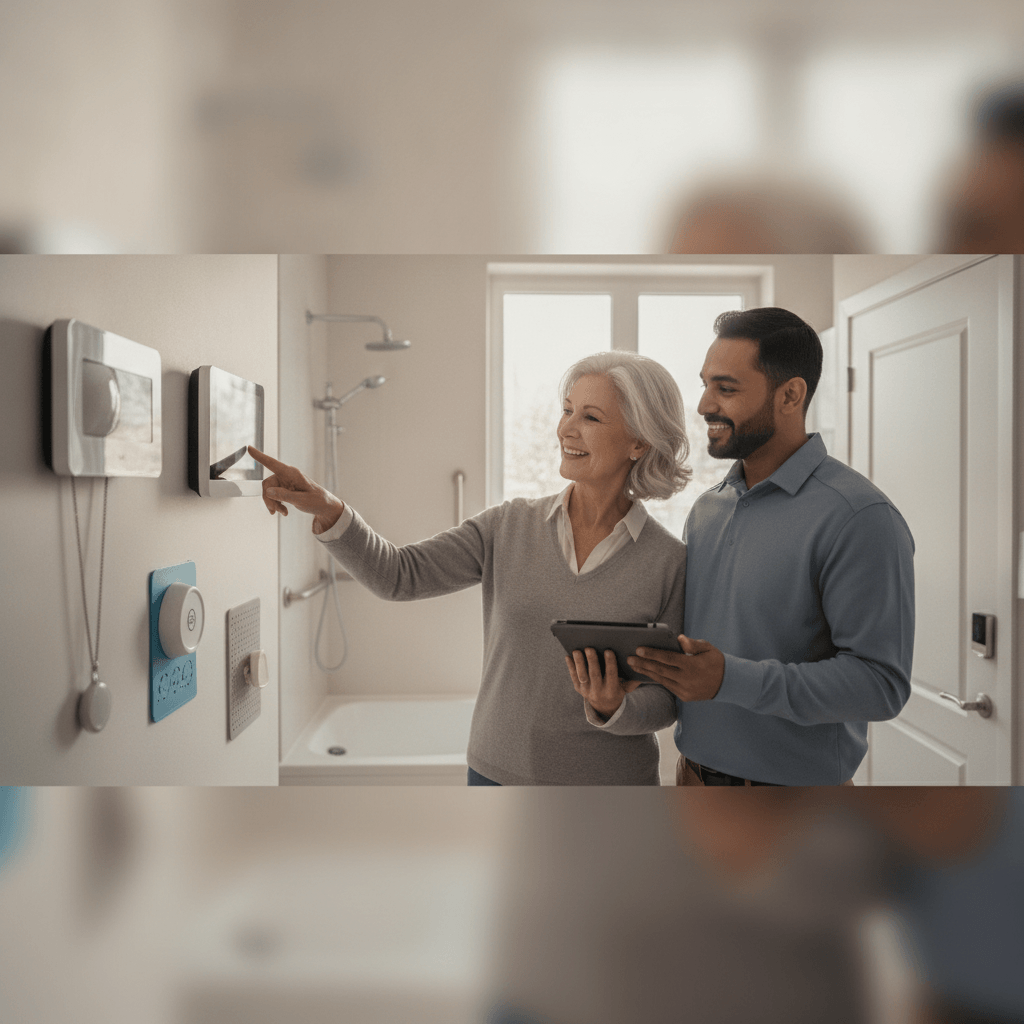
As individuals and families look ahead, ensuring the safety and comfort of our senior loved ones at home often becomes a top priority. I understand the concerns that arise when thinking about an aging parent or grandparent living independently. We want them to maintain their freedom but also stay secure from potential hazards.
There are many solutions available today designed to enhance home safety for older adults. My experience shows that making the right choices here can truly provide peace of mind for everyone involved. It involves more than just buying devices, it means creating a supportive and secure living environment tailored to individual needs.
My goal here is to guide you through the process so you can confidently select senior home safety solutions. I will share practical insights and actionable advice. This will help you make informed decisions for the well-being of your loved ones.
Understanding the Core Needs for Senior Home Safety
When we talk about senior home safety, it is vital to first understand the specific challenges older adults often face. These challenges vary widely depending on individual health and mobility levels. For instance, falls are a major concern for many seniors. They can lead to serious injuries and a significant loss of independence.
I have observed that risks like wandering, especially for those with cognitive impairments, also present unique safety issues. Medication management can become complex, and recognizing emergencies might be difficult for some. A one-size-fits-all approach rarely works so a personal assessment is always my starting point.
Addressing these core needs with thoughtful solutions helps maintain a high quality of life. It also keeps seniors safe in their cherished homes. We must always consider the person first and then build the safety plan around them.
Identifying Potential Hazards
I always advise starting with a thorough walk-through of the home to spot any existing hazards. Loose rugs, poor lighting, and clutter on floors are common culprits for falls. Stairs without handrails and slippery bathroom surfaces also pose significant dangers.
Beyond physical obstacles, I look at potential dangers like stove safety. Gas leaks or fire risks from unattended cooking can be very serious. Carbon monoxide detectors and smoke alarms need regular checks and proper placement throughout the house.
Understanding these specific risks allows us to target solutions effectively. It is about being proactive and not reactive to potential problems.
Assessing Mobility and Health
Each senior has unique needs concerning their mobility and overall health. Some might struggle with balance or have weakened vision. Others could experience memory issues that impact their ability to remember daily routines or emergency procedures.
I believe involving the senior in this assessment is crucial. Asking them about their daily struggles and comfort levels helps us find the right balance between safety and independence. We want solutions that empower them not restrict them unnecessarily.
For example, if someone uses a walker, narrow hallways become a big problem. If they have low vision, clear pathways and brighter lights are a must. These details inform our choices for safety improvements.
Essential Categories of Senior Home Safety Solutions
There are many tools and technologies designed to enhance senior home safety. They range from simple modifications to advanced systems. I categorize them into a few key areas to make the selection process clearer.
First, we have physical home modifications which include grab bars in bathrooms and stairlifts. These are often foundational changes that create immediate improvements in accessibility and fall prevention. Then there are assistive devices like raised toilet seats and shower chairs which offer practical daily support.
Beyond the physical, technology plays a large role now. This includes personal emergency response systems and smart home devices. I see these as vital for providing an extra layer of protection and connectivity.
Fall Prevention Technologies
Falls are a leading cause of injury for seniors. Many technologies focus on preventing them or quickly responding when they occur. Motion-activated lighting helps illuminate dark pathways reducing stumble risks. Non-slip mats in bathrooms are also very effective.
Wearable devices with fall detection capabilities are becoming more common. These gadgets can automatically alert family members or emergency services if a fall is detected. I find these offer immense reassurance especially when a loved one lives alone.
Smart flooring systems even exist that can sense changes in gait or pressure indicating a potential fall risk before it happens. These advanced options show how technology helps create safer environments.
Smart Monitoring Systems
Smart monitoring systems allow for discreet oversight and timely intervention. These systems might include door sensors that alert caregivers if a senior with wandering tendencies leaves the house. There are also bed sensors that notify if someone gets up at night and does not return within a set time.
Medication dispensers with alarms and automatic dose releases help seniors manage complex medication schedules correctly. I have seen how these tools prevent missed doses or accidental double-dosing which are common and dangerous issues.
Video doorbells and indoor cameras can also provide visual checks without being intrusive. They let families check in and ensure everything is alright. I suggest using them only with the senior’s full awareness and consent to respect their privacy.
Key Factors to Consider When Confidently Selecting Senior Home Safety Solutions
When faced with many choices it can feel overwhelming to select the right senior home safety solutions. I always emphasize a few key factors to help narrow down the options. Thinking about these points will ensure you pick solutions that truly work for your specific situation.
First, ease of use is paramount. If a device is too complicated for the senior or their caregivers, it will not be used effectively. I have seen many good systems fail because they were not user-friendly. Simple interfaces and clear instructions are always best.
Reliability is another critical factor. Safety equipment must work when it is needed most. I recommend choosing reputable brands with strong customer support and positive reviews. You also want to consider the long-term cost including monthly fees for monitoring services or batteries. Longevity and durability of the solutions are important aspects to review when you are selecting home safety tech for an older adult.
Prioritizing User-Friendliness and Reliability
For any safety solution, if a senior cannot operate it easily, its effectiveness diminishes. Big buttons, clear audio prompts, and intuitive designs are features I look for. I often recommend testing devices with the senior before committing to a purchase.
Consider battery life for wireless devices. Frequent battery changes can be a hassle and might be forgotten. Reliable power sources and clear low-battery indicators are important. This ensures continuous protection without constant worry.
I also think about how reliable the alerts are. Will they reach the right people promptly during an emergency. Test calls and regular system checks should be part of the routine after installation.
Involving the Senior in Decision-Making
Empowering seniors in the decision-making process is vital for their acceptance and use of safety solutions. When they feel heard and respected, they are more likely to embrace the changes. I always suggest discussing options openly and explaining the benefits clearly.
Allowing them to try out different devices if possible can make a big difference. This personal involvement helps alleviate any feelings of losing independence. It also assures them that the changes are for their well-being.
A simple conversation about their comfort with technology or specific worries they have can reveal a lot. This approach fosters cooperation and helps create a sense of shared responsibility for safety.
Integrating Technology for Enhanced Protection
Modern home safety often involves integrating several technological solutions to create a comprehensive protective network. I have seen how connecting different devices can offer a seamless and powerful safety system. It means that various aspects of a senior’s well-being are covered by interconnected tools.
For example, a smart home hub can link motion sensors, smart lighting, and an emergency response system. If a motion sensor detects no movement for an extended period, the hub can send an alert. It can also turn on lights if the senior gets up at night.
This integration also helps with scalability. As needs change, new compatible devices can be added without overhauling the entire system. I find this flexibility incredibly valuable for long-term planning and adapting to evolving circumstances.
Building a Connected Safety Network
A connected safety network often starts with a central smart home hub. This hub communicates with various sensors and devices throughout the home. It allows for automated responses and centralized monitoring. I find that this setup simplifies managing multiple safety features.
Imagine a scenario where a smoke detector goes off. The integrated system can automatically unlock doors, turn on all lights, and send alerts to emergency contacts. This kind of coordinated response can save precious time in a crisis.
I advise choosing products that use open communication protocols like Z-Wave or Zigbee. This ensures better compatibility between different brands and devices. It prevents being locked into a single ecosystem which limits future options.
Leveraging Smart Home Features for Daily Safety
Smart home features extend beyond emergency responses. They can enhance daily safety and convenience. Voice-activated assistants like Alexa or Google Assistant can be programmed for simple commands. This includes turning lights on or off or adjusting thermostats without needing to physically reach switches.
Smart plugs can control lamps and other appliances remotely. This is helpful for seniors who might forget to turn off certain devices. It reduces fire risks and saves energy because the family can check and control appliances from afar.
I also see value in smart locks. They allow family members to grant access to caregivers or emergency personnel remotely. This eliminates the need for physical keys which can be lost or forgotten.
Practical Steps for Implementation and Ongoing Support
Choosing the right senior home safety solutions is just the first step. Proper implementation and ongoing support are equally important for their effectiveness. I emphasize a systematic approach to ensure everything works as intended and continues to provide protection.
Installation should be done carefully following manufacturer guidelines or by hiring professionals for complex systems. Training the senior and all relevant caregivers on how to use the devices is non-negotiable. Everyone needs to understand how the system works and what to do in an emergency.
Regular maintenance and updates are also key. Technology evolves and devices require occasional checks to ensure they are functioning optimally. These practical steps ensure the safety measures remain reliable over time.
Installation and Training Best Practices
When installing safety solutions, I always recommend prioritizing areas of highest risk. This means bathrooms, stairwells, and entry points. Ensure all wiring is neatly tucked away to prevent tripping hazards. Devices should be placed where they are easily accessible but not in the way of daily movement.
For training, I find it helpful to create a simple, step-by-step guide for the senior. Practice emergency scenarios with them so they feel comfortable using the panic button or calling for help. Involve anyone else who might need to respond like neighbors or other family members.
We need to make sure the senior feels confident and not overwhelmed by new technology. Patience and repeated demonstrations are often necessary for them to fully grasp new systems. A gradual introduction of new tech can also be very helpful.
Routine Maintenance and Updates
Safety solutions require consistent attention to remain effective. I advise setting up a schedule for checking batteries in smoke detectors, carbon monoxide alarms, and personal emergency devices. This prevents unexpected failures when they are most needed.
Software updates for smart home devices are often released to improve performance and security. I encourage caregivers to manage these updates regularly. It keeps the system running smoothly and guards against potential vulnerabilities.
Physical inspections of grab bars, handrails, and other modifications should also be part of the routine. Loose fittings or wear and tear need immediate attention. Regular maintenance ensures that the chosen solutions continue to provide maximum safety.
Conclusion: Ensuring Peace of Mind with the Right Choices
Confidently selecting senior home safety solutions is a thoughtful process that brings immense benefits to both seniors and their families. It requires understanding individual needs, exploring available technologies, and carefully considering practical factors like ease of use and reliability. My experience shows that by taking a proactive and personalized approach, we can create living environments that promote independence while minimizing risks. Integrating smart technologies and ensuring proper installation and ongoing maintenance build a robust safety net. This journey is about empowering our loved ones to age in place with dignity and security. I encourage you to start assessing your senior’s home today. Begin conversations about their needs and preferences and take steps towards implementing solutions that will offer genuine peace of mind for years to come.


